
Complete Wedding Photography Timeline Guide
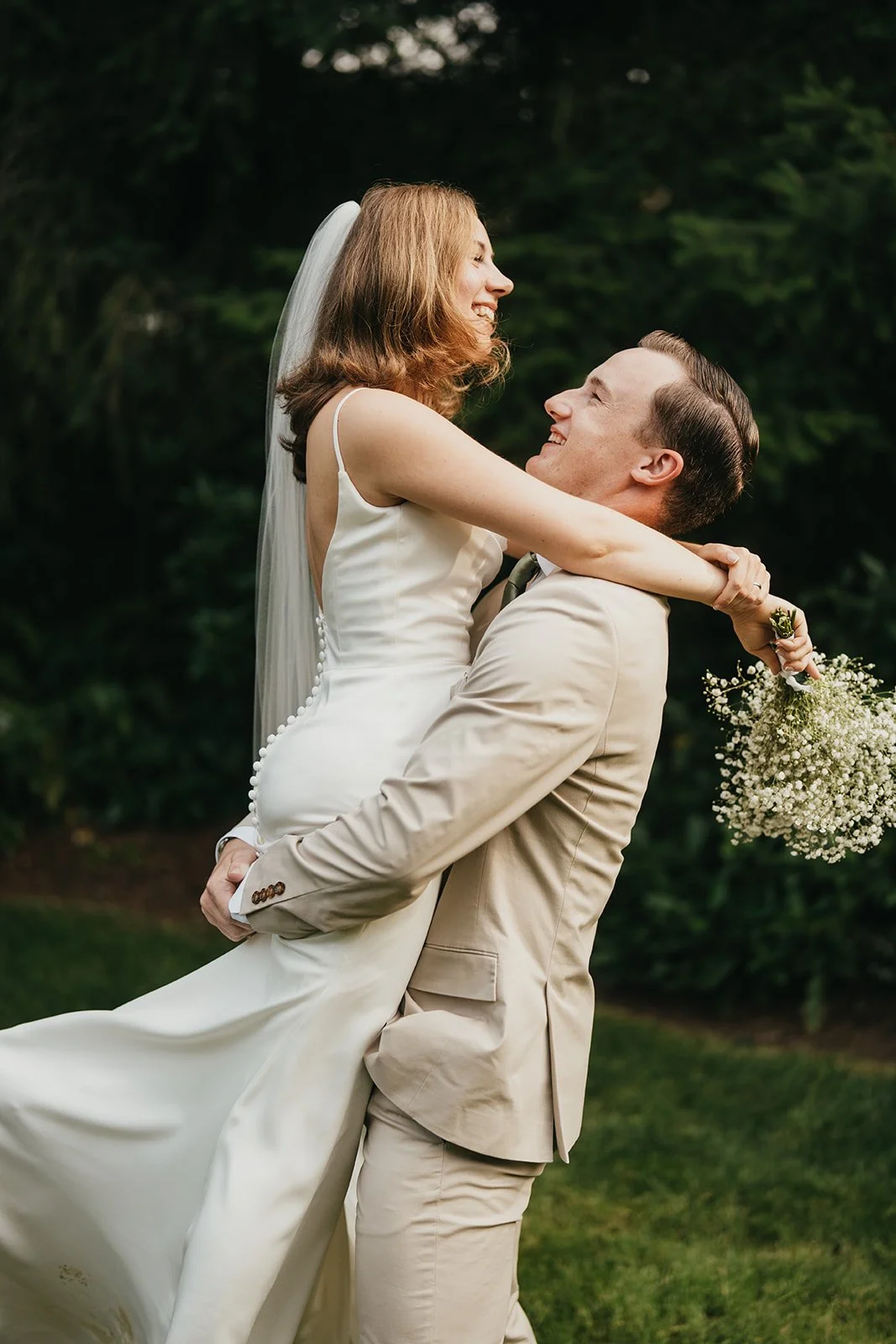
The fastest way to make wedding photos feel rushed is to treat the timeline like an afterthought. The calm, joyful, teary, belly-laugh kind of images most couples want usually come from having enough room in the day to breathe. This complete wedding photography timeline guide is here to help you build that room, so your wedding doesn’t feel like a sprint from one photo to the next.
A good timeline is not about squeezing in more. It’s about protecting the parts of the day that actually matter to you. The way your hands shake a little before the ceremony. Your best friend trying not to cry while helping with your outfit. Your grandparents on the dance floor. Those moments need time, and time is what lets your photos feel honest instead of staged.
Why your wedding photo timeline matters so much
Most couples are not worried about whether they can smile at a camera. They’re worried about feeling awkward, behind schedule, or pulled away from their people all day. That’s exactly why the timeline matters. A thoughtful photography plan gives you structure without making the day feel rigid.
When the schedule is too tight, little delays start stacking up. Hair runs long. Family members wander off. Transportation takes longer than expected. Suddenly portrait time disappears, and everyone feels it. When the schedule has intention and a little breathing room, those normal wedding-day hiccups stay small.
There’s also a big emotional difference between a timeline built around images and one built around experience. The best timelines do both. They leave space for beautiful portraits, yes, but they also make room for presence. You want photos that remind you how it felt, not just proof that every formal shot happened.
A complete wedding photography timeline guide for a smoother day
Every wedding is different, but most photography timelines are built from the same core parts: getting ready, details, first look or pre-ceremony portraits, ceremony, family photos, wedding party photos, couple portraits, and reception coverage. The trick is deciding how much time each part really needs for your specific day.
If you’re planning an all-day wedding with one photographer, eight hours is often enough for a lot of couples. If you want more getting-ready coverage, a larger guest count, multiple locations, or a packed reception, you may want more. Smaller elopements or intimate weddings can work beautifully with less. It depends on what story you want told from beginning to end.
Getting ready: 45 to 90 minutes of coverage
This part of the day is often more emotional than couples expect. There’s anticipation, nerves, sweet little exchanges, and a lot of personality. It’s also when detail photos usually happen, like your rings, invitations, florals, vow books, and outfit pieces.
If you want a relaxed getting-ready portion, keep the space as tidy as possible and gather important items in one place before your photographer arrives. That saves time and keeps the energy more peaceful. If you’re getting ready in a small hotel room with ten people and bags everywhere, the photos can still be beautiful, but the space will affect how the morning feels.
Details and candid moments: 20 to 30 minutes
Detail photos do not need to take over your morning. If you care about those images, set aside the pieces ahead of time and let your photographer work while you finish hair, makeup, or hang out with your people. Then the rest of the coverage can focus on real interactions instead of hunting down the other ring.
First look or no first look?
This is one of the biggest timeline decisions you’ll make, and there’s no universally right answer. A first look usually creates more flexibility. You can do couple portraits, wedding party photos, and sometimes even family photos before the ceremony. That means more time with guests later and less pressure during cocktail hour.
If you’d rather wait until the ceremony, that can be incredibly meaningful too. Just know that more portraits will need to happen afterward, and your schedule should reflect that. If sunset is early, or your ceremony starts late in the day, this choice matters even more.
First look and portraits: 30 to 45 minutes
If you’re doing a first look, give yourselves a little space for it. This should not feel like a quick task to check off. Build in time for the actual moment, a few portraits right after, and a little breathing room in case emotions hit hard and mascara needs a minute.
Wedding party photos: 20 to 30 minutes
This section can move quickly when everyone knows where to be and the group list is simple. If your wedding party is large, add more time. If you want a mix of classic group shots and more candid, playful photos, that also takes a bit longer. Good direction helps a lot here, especially if your people are fun but not exactly known for their punctuality.
Family photos: 20 to 40 minutes
Family photos are usually less about photography and more about logistics. The smoother they’re organized, the faster they go. Keep the list focused on immediate family and truly meaningful groupings. A 25-photo family list sounds manageable until you realize every combination needs different people found, moved, and lined up.
It helps to designate one person from each side of the family who knows names and faces and can round people up. That one move can save more stress than almost anything else.
Ceremony timing and light
Your ceremony is the heart of the day, so the photo timeline should support it, not compete with it. One thing couples often overlook is lighting. If you’re getting married outdoors, think carefully about where the sun will be. Midday light can be harsh. Late afternoon and early evening usually feel softer and more flattering.
In the Seattle area, weather and daylight shift a lot depending on season, so timing deserves extra attention. A winter wedding might mean portraits happen earlier than expected because sunset comes quickly. A summer wedding gives you more flexibility, but bright afternoon sun can still be a factor. This is where an experienced photographer can help you choose what looks good and what feels good.
Cocktail hour, sunset, and reception coverage
If you’ve done many portraits before the ceremony, cocktail hour can actually be yours to enjoy. That’s a big deal. So many couples barely see their guests because they’re in back-to-back photo sessions. If being present matters to you, plan around that on purpose.
Sunset portraits are often worth carving out 10 to 15 minutes for, even if you’ve already done portraits earlier. The light is softer, you’re officially married, and the two of you usually feel more settled by then. These photos tend to feel especially relaxed and connected.
Reception coverage depends on what matters most. If you care about the dance floor, toasts, parent dances, and candid guest moments, make sure your coverage extends far enough into the evening. If your reception is more dinner-forward and intimate, you may not need as many hours. Again, it depends.
## A sample wedding photography timeline that actually breathes
For a 5:00 p.m. ceremony, a balanced timeline might look something like this: photography begins at 1:00 p.m. with details and getting ready; first look at 2:30; couple portraits at 2:45; wedding party photos at 3:15; family photos at 4:00; hide away before ceremony at 4:40; ceremony at 5:00; cocktail hour at 5:30 with a few just-married portraits mixed in; reception events begin around 6:30; sunset portraits around 7:45 if the season allows.
That won’t fit every wedding, and it shouldn’t. A church ceremony with travel between locations will need more transition time. A winter wedding may move portraits earlier. An intimate backyard wedding might be far looser and still work beautifully. The goal is not to copy a sample timeline. The goal is to understand where time disappears and where it’s worth protecting.
The best timeline tips are usually the least glamorous
Build in buffer time. Five to ten extra minutes between major parts of the day can save the whole mood.
Keep travel realistic. If maps say twenty minutes, wedding-day travel may be thirty.
Limit location changes when possible. More moving parts usually means less actual time in photos and more chance for delays.
And be honest about your priorities. If you care deeply about guest candids, don’t fill cocktail hour with portraits. If private couple time matters, make sure it exists on paper and not just in theory.
At Jamie Buckley Photography, this is one of the biggest goals in timeline planning: making space for photos that feel like you while protecting the experience of your day.
A great wedding photography timeline doesn’t just help your photographer. It helps you be where you are, feel what you’re feeling, and remember the day as more than a blur of beautiful chaos. Leave a little room for the unexpected, and some of the best moments will find you there.