
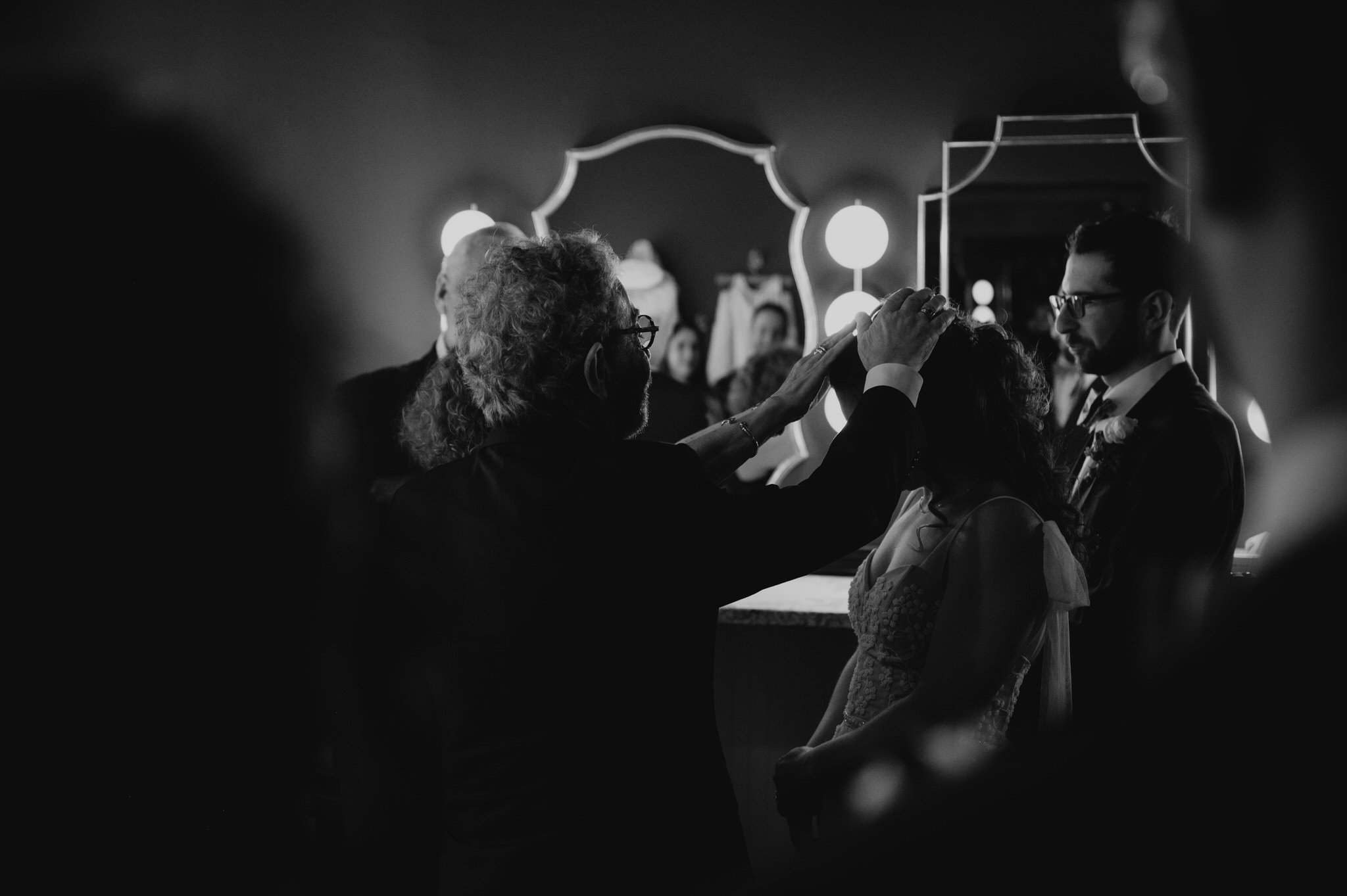
The photos from your wedding will hold the stuff you cannot schedule: your partner’s face when they see you, your best friend crying during a toast, the wildly enthusiastic dance moves from an uncle who said he was “just here for cake.” That is why learning how to budget wedding photography is less about picking a random percentage and more about deciding how you want to remember a day that will move very, very fast.
Wedding budgets are personal, sometimes tender, and occasionally held together by a spreadsheet, a snack, and sheer determination. There is no single correct number to spend on photography. But there is a thoughtful way to make the decision, protect your priorities, and book someone who can help you feel like yourselves in front of the camera.
Start With the Experience You Want to Remember
Before comparing package prices, picture the wedding you are planning. Is it a cozy ceremony at Seattle City Hall followed by dinner with your favorite people? A rainy-day celebration in the mountains? A full, dancing-until-your-feet-hurt party with 150 guests? The size, pace, and shape of your day affect the kind of coverage you need.
Photography is not only a gallery delivered after the wedding. Your photographer is also one of the people closest to you through the most emotional parts of the day. They may help you build breathing room into your timeline, gently direct a family photo situation, wrangle a lively wedding party, and remind you to take five quiet minutes together after the ceremony. The right fit has practical value, not just pretty-photo value.
It can help to write down the moments that matter most before you ever open a pricing guide. Maybe you care deeply about getting ready with your siblings. Maybe you want candid photos of every guest hugging your grandparents. Maybe you want the dance floor documented like the beautiful chaos it is. Those priorities will tell you whether you need more hours, a second photographer, an engagement session, or a simpler package with fewer extras.
How to Budget Wedding Photography Around Priorities
A common planning guideline is to reserve roughly 10 to 15 percent of your overall wedding budget for photography, though that range is only a starting point. In Seattle and across Washington, experienced wedding photographers often reflect not just the hours on the wedding day, but planning time, editing, equipment, insurance, travel, backup systems, and the years spent learning how to handle real wedding light and real wedding feelings.
Rather than treating a percentage as a rule, use it as a reality check. If photography is near the top of your priority list, it may make sense to put more of your budget there and simplify another area that matters less to you. If you are planning an intimate elopement, your overall budget may be smaller while photography still takes a meaningful share of it. That is completely normal.
Start with your total wedding budget, then subtract the truly non-negotiable costs: venue, food, attire, transportation, and anything else you have already committed to. From what remains, decide what you can comfortably invest in photography without creating post-wedding financial stress. A wedding is worth celebrating. So is being able to buy groceries afterward.
When you reach out to photographers, be honest about your date, location, guest count, and general budget range. You do not have to share every number in your spreadsheet. A clear range simply helps a photographer recommend coverage that actually fits instead of sending you down a rabbit hole of options that were never realistic for your day.
Understand What You Are Actually Paying For
It is easy to look at two packages with a similar hour count and wonder why the prices are different. Hours matter, but they are not the whole story.
A wedding photographer’s work includes consultations, timeline support, location guidance, communication, travel, photographing the day with reliable professional gear, carefully backing up your images, sorting thousands of frames, editing your final gallery, and preserving files responsibly. It also includes the calm, practiced decision-making that happens when the ceremony starts late, rain appears out of nowhere, or the light changes by the minute.
Style and approach matter, too. If you want candid, emotional images that still feel polished and intentional, look for a photographer whose portfolio consistently shows those things in many kinds of light and settings. One gorgeous sunset photo is lovely. A full body of work that makes people look relaxed, connected, and genuinely happy is much more useful when you are choosing who will document your own day.
Ask what each collection includes, how many hours of coverage are provided, whether an engagement session is part of the experience, when you can expect your gallery, and whether there are travel or overtime fees to plan for. You are not being difficult by asking. You are being a thoughtful grown-up who would like no surprise invoices, which is a very reasonable vibe.
Choose Coverage Before Extras
If your budget has a hard ceiling, prioritize enough coverage for the story you most want captured before adding albums, prints, additional sessions, or other upgrades. Those keepsakes can be wonderful, but a beautiful album cannot include moments that were never photographed.
For many weddings, six to eight hours covers the essentials: getting-ready moments, a first look or pre-ceremony portraits, the ceremony, family photos, couple portraits, dinner, toasts, and some dancing. A shorter celebration may need less. A day with separate locations, a large wedding party, cultural traditions, or a late-night exit may need more.
Think through your timeline honestly. If you want photos of hair and makeup, a private letter exchange, a full ceremony, sunset portraits, every toast, and an energetic dance floor, a four-hour package may feel rushed. On the other hand, if you are eloping with ten people and having a lovely long dinner afterward, a smaller collection could be exactly right.
A second photographer can be especially valuable for larger guest counts, split getting-ready locations, or couples who want more candid guest coverage. It is not required for every wedding. The question is whether having another perspective supports the story you care about, not whether it sounds fancy on a checklist.
Make Smart Trade-Offs, Not Painful Cuts
When the numbers feel tight, look for changes that preserve what you value most. Consider a Friday, Sunday, or off-season date if your venue and vendor availability allow it. Keep your wedding party smaller, consolidate locations, or plan a slightly shorter reception. You might choose digital images now and order an album later, when there is more room in the budget.
Be cautious about cutting photography hours so deeply that the day becomes stressful. A packed schedule leaves little room for weather, traffic, relatives who disappear at portrait time, or the fact that people are not robots. A little breathing room helps your day feel more present and gives your photographer space to catch the unscripted goodness.
It is also worth distinguishing between “affordable” and “cheap.” A lower price is not automatically a bad choice, especially for a smaller event or a newer photographer building experience. But if a price is dramatically below the local market, ask kind, direct questions about contracts, backup equipment, insurance, image delivery, and experience with weddings. Weddings do not come with retakes.
Ask Questions That Build Confidence
A consultation should leave you feeling clearer, not pressured. Pay attention to whether the photographer listens to what matters to you and explains their process in plain language. You deserve someone who can offer direction when you want it, then step back when the real moments are unfolding.
Ask to see full wedding galleries, not only social media highlights. Talk about how they work with camera-shy couples, what happens if it rains, how they handle family formals, and what support they offer while you build your timeline. If you are planning in the Pacific Northwest, asking about indoor backup plans is not pessimistic. It is simply part of loving this beautifully moody place.
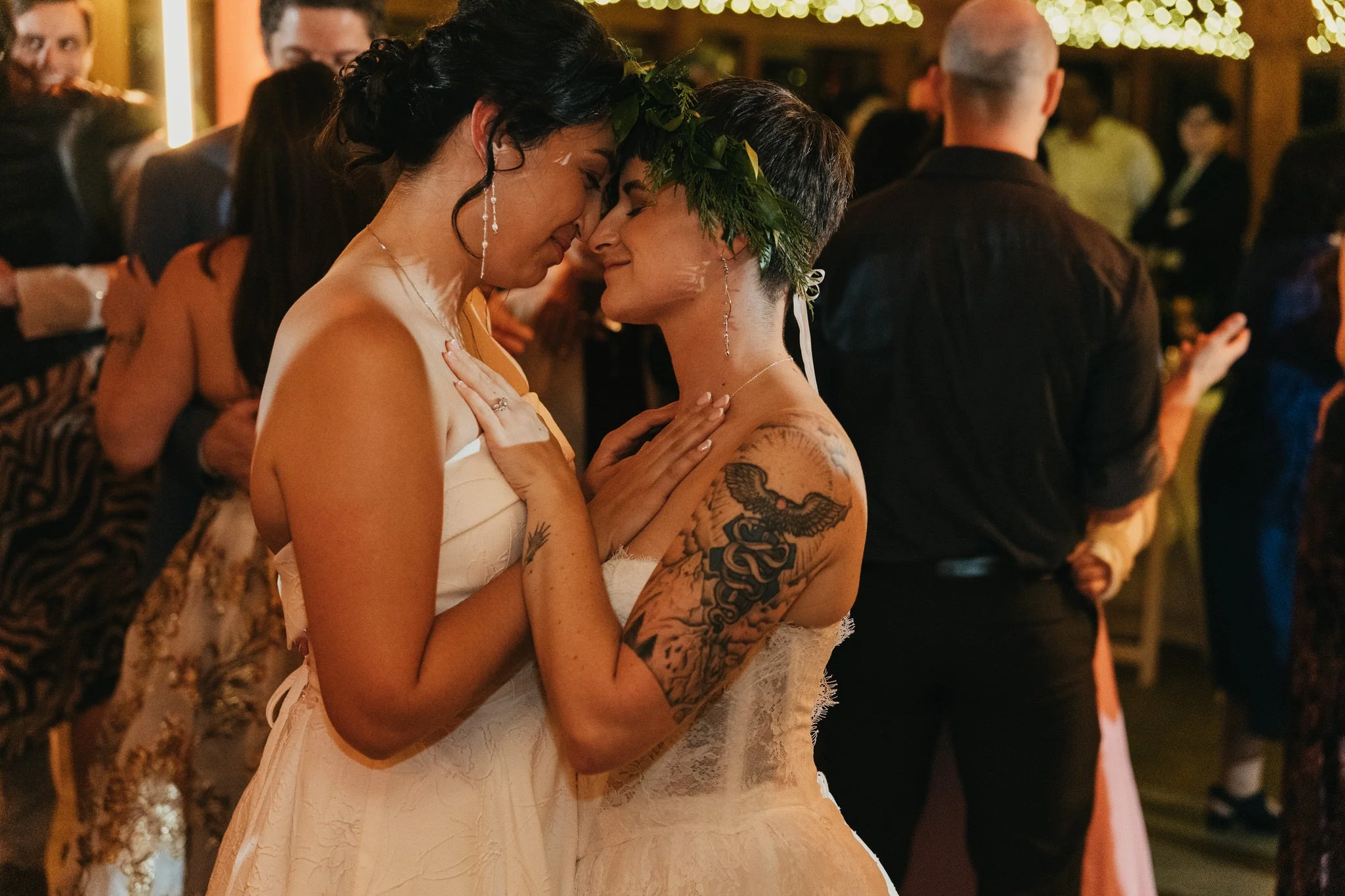
My goal is always to make room for the real stuff: the tender glances, the loud laughter, the nervous hands, the joyful mess of everyone you love in one place. Your images should feel like your relationship, not like you spent your wedding day auditioning for a magazine.
Leave Room for the Feeling
Your photography budget is a decision about more than files, hours, or a line item on a planning sheet. It is permission to be fully in your day while someone trustworthy pays attention to the details you might otherwise miss.
Pick the coverage that lets you exhale. Choose the photographer whose work makes you feel something and whose presence makes you feel comfortable. Then, when the day arrives, hold your person close, let your people be wonderfully themselves, and trust that the moments worth keeping are already happening.