
What Candid Wedding Photography Really Captures
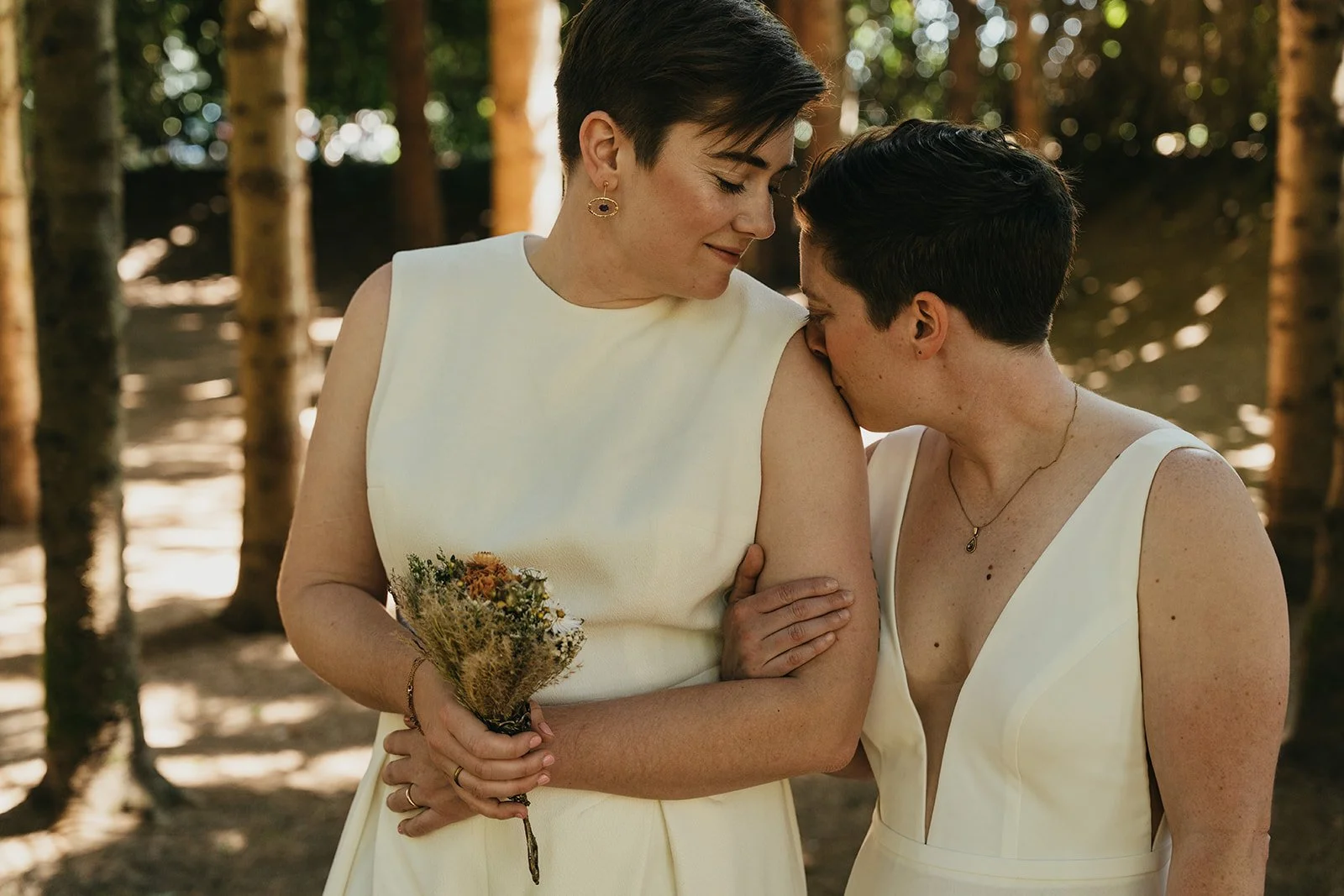
A lot of couples say the same thing at the start: “We love photos, but we feel awkward in front of the camera.” Totally fair. Most people planning a wedding are not secretly part-time models, and that is exactly why candid wedding photography matters so much. It makes space for you to be fully in the moment while your photos hold onto the laughter, nerves, tears, chaos, and joy that made the day yours.
The best wedding images usually are not the ones where everyone is perfectly lined up and staring at the lens. They are the ones where your partner reaches for your hand without thinking. Your dad tears up during the first look and immediately pretends he is fine. Your best friends absolutely lose it on the dance floor. Those are the moments that bring you back.
What candid wedding photography actually means
Candid wedding photography is about documenting real moments as they happen, instead of building the whole day around posed images. That does not mean your photographer disappears into the wallpaper and never gives direction. It means the focus stays on genuine emotion, real connection, and the natural rhythm of the day.
A good candid approach has range. Sometimes it is fully observational, like catching your grandmother laughing during the ceremony or your flower girl making her own rules at the reception. Sometimes it includes gentle guidance, especially during portraits, so you do not end up wondering what to do with your hands. The goal is not zero direction. The goal is photos that feel like you.
That balance matters. If everything is posed, the gallery can start to feel a little too polished and a little less personal. If everything is completely hands-off, you may miss out on intentional portraits with the people you love most. The sweet spot is a wedding gallery that tells the truth beautifully.
Why candid wedding photography feels more personal
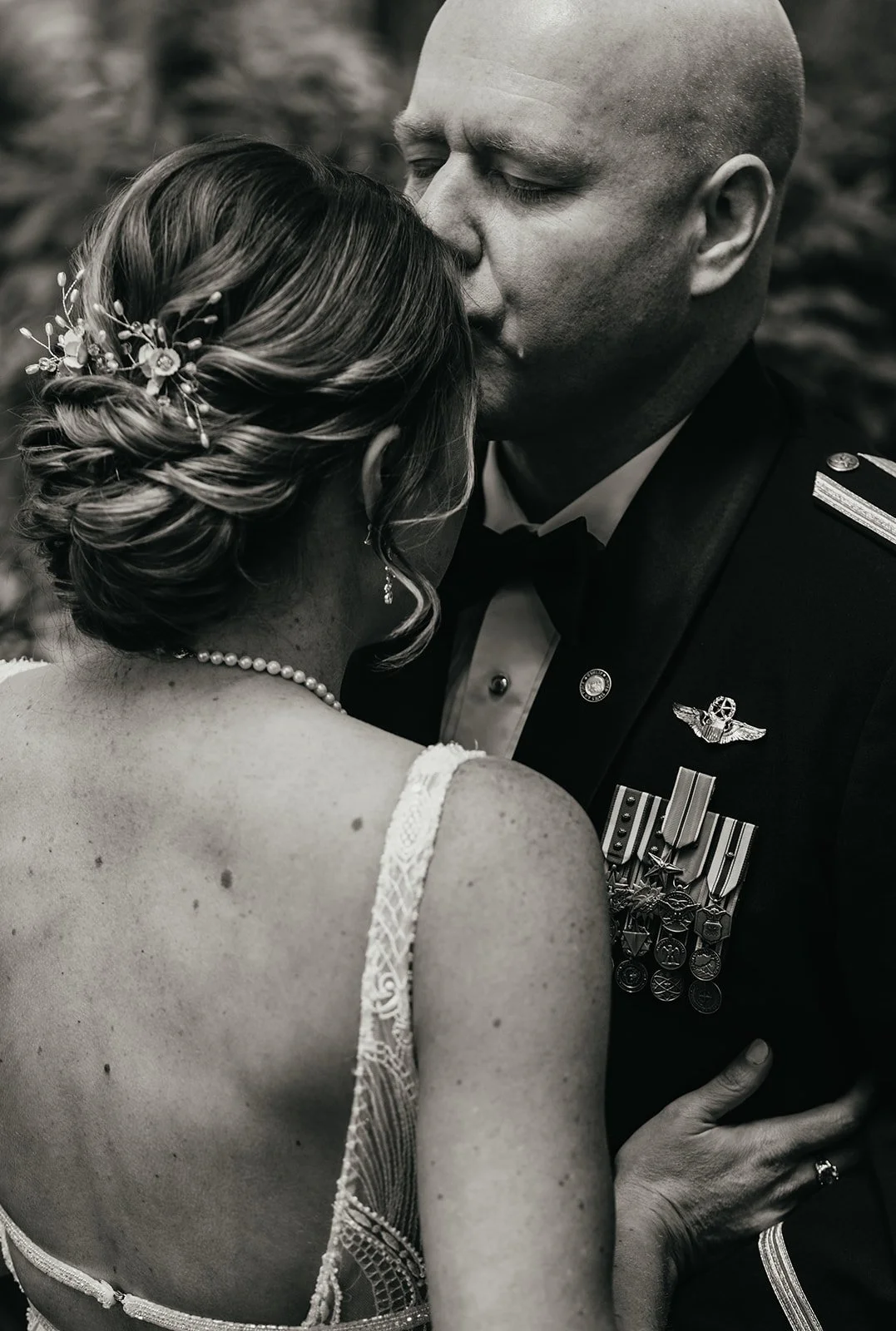
There is a big difference between looking nice in a photo and feeling something when you look at it later. Candid images tend to hit harder because they are tied to a real memory. You remember what was said right before the laugh. You remember the shaky breath before walking down the aisle. You remember the weird, wonderful energy of having all your favorite people in one place.
That is what makes this style so lasting. Trends change. Pinterest boards change. The exact shape of a bouquet or the color of napkins may matter less over time. But the way your partner looked at you during the vows? That stays important.
For a lot of couples, this style also takes the pressure down a notch. You do not have to perform your wedding day for the camera. You get to live it. A photographer who knows how to guide when needed and step back when it counts can help the whole experience feel easier, lighter, and more honest.
Candid does not mean unplanned
This is where a lot of people get tripped up. They hear “candid” and assume it means chaotic, random, or purely luck-based. Not quite.
The most emotional, natural-looking galleries are usually backed by thoughtful planning. Good light matters. A timeline with breathing room matters. Trust matters. If your morning is running 45 minutes behind and every part of the day feels rushed, it is harder to create space for those in-between moments to happen naturally.
This is also why experience matters so much. A photographer shooting candidly is constantly anticipating. They are reading family dynamics, noticing where the light is best, and understanding when a moment is building before it fully happens. They know when to stay quiet and when to gently step in.
So yes, candid photos feel effortless. But the work behind them is very much intentional.
What moments candid wedding photography captures best
Some parts of a wedding day are practically made for a candid approach. Getting ready is a big one. There is so much emotion in those hours - excited pacing, happy tears, deep breaths, half-finished makeup, your people hyping you up while someone looks for missing shoes.
Ceremonies are another. Even when the structure is formal, the emotions are not. The tiny reactions are often what couples treasure most later: the smile before the kiss, the squeeze of a hand, the face your partner makes when they first see you.
Reception coverage is where candid storytelling really gets to stretch out. Toast reactions, hugs from relatives, spontaneous dance battles, grandparents swaying together for half a song - these moments are often impossible to recreate, which is exactly why they deserve to be documented as they happen.
And then there are the quieter in-between pieces. Walking back down the aisle. Taking a second alone after the ceremony. Leaning into each other during sunset portraits because the day is finally starting to settle. Those moments often end up carrying just as much emotional weight as the major events.
The role of posed photos in a candid gallery
Here is the honest answer: most couples still want some posed photos, and that is not a contradiction.
You probably do want a great photo with your parents. You probably do want your wedding party looking at the camera at least once. You probably want portraits where you both look amazing and not like you were caught mid-sentence with one eye half closed. Fair.
The key is not choosing between posed and candid like they are opposites in a custody battle. The best wedding galleries usually include both. A few structured moments give you timeless anchor images. A candid approach fills in the heart around them.
During portraits, gentle prompts often work better than stiff posing anyway. Walking together, talking, hugging, moving, stealing a forehead kiss - those little actions create natural expressions without making you feel like you are acting in a catalog. You still get beautiful portraits, but they feel alive.
How to get more natural wedding photos
If you want your wedding gallery to feel relaxed and real, there are a few things that genuinely help.
First, choose a photographer whose work already shows the kind of emotion you want. If every image in their portfolio feels heavily posed and editorial, they may not suddenly become a documentary storyteller on your wedding day. Look for laughter, movement, tears, touch, and honest reactions.
Second, build a timeline with margin. A packed schedule can make everyone feel rushed, and rushed rarely looks romantic. Even ten extra minutes here and there can create room for breathing, connection, and the spontaneous stuff that turns into favorite photos.
Third, let go of trying to look perfect every second. Perfection is usually the fastest way to look tense. If you can focus on each other instead of the camera, your images will feel more grounded and more like your real relationship.
And finally, trust the process. The couples who get the most heartfelt galleries are usually the ones who lean into the day instead of monitoring it. Laugh when something weird happens. Cry if you want to cry. Hug people for an extra second. Real emotion photographs beautifully.
Why this style works especially well for couples who feel camera-shy
If being photographed makes you immediately forget how to stand like a normal person, you are in excellent company. Most couples feel that way at first.
That is another reason candid wedding photography works so well. It shifts the pressure away from performing and toward connecting. Instead of asking you to become a different version of yourself for the sake of the photo, it allows your actual relationship to lead.
A calm photographer can make a huge difference here. When you feel comfortable, you stop thinking so hard about what your face is doing. You settle in. You joke around. You relax your shoulders. That is when the good stuff shows up.
At Jamie Buckley Photography, that comfort-first approach is part of the whole experience. The goal is not just to hand over pretty images. It is to create the kind of space where you can be present with the people you love and trust that the meaningful moments are being taken care of.
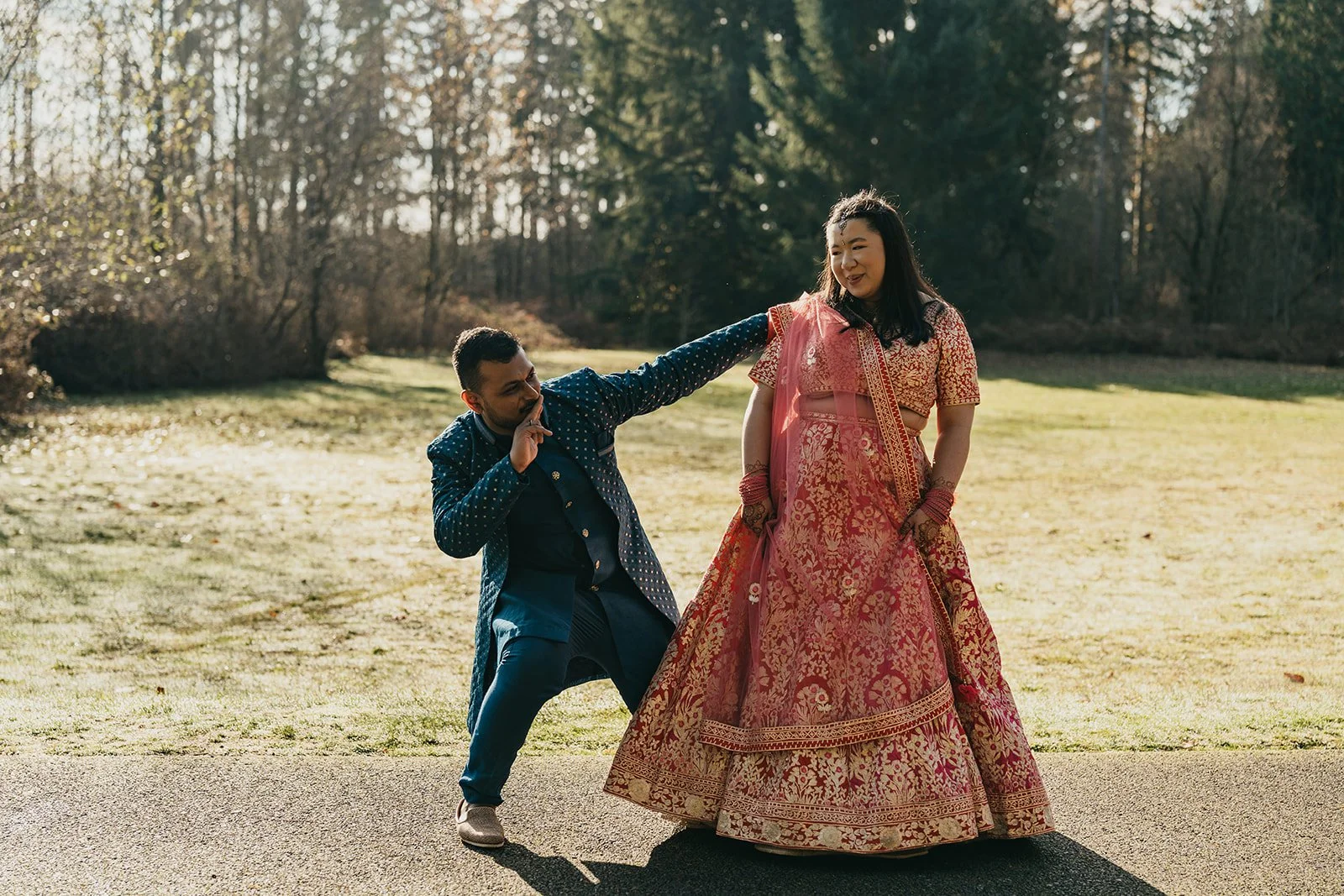
The real value of candid wedding photography
Years from now, you probably will not be measuring your wedding photos by how formally everyone stood or whether every hair stayed in place. You will care about whether the images feel true.
Do they remind you what it felt like to be there? Do they sound like your people when you look at them? Do they bring back the energy in the room, the softness in a glance, the pure nonsense of the dance floor, the tenderness you were too wrapped up to fully notice in real time?
That is what candid wedding photography gives you when it is done well. Not a performance. Not a highlight reel of forced smiles. A visual memory with heartbeat.
If you are planning your wedding and hoping for photos that feel emotional, easy, and deeply human, trust that the real moments are enough. More than enough, actually. They are usually the ones you will love hardest.