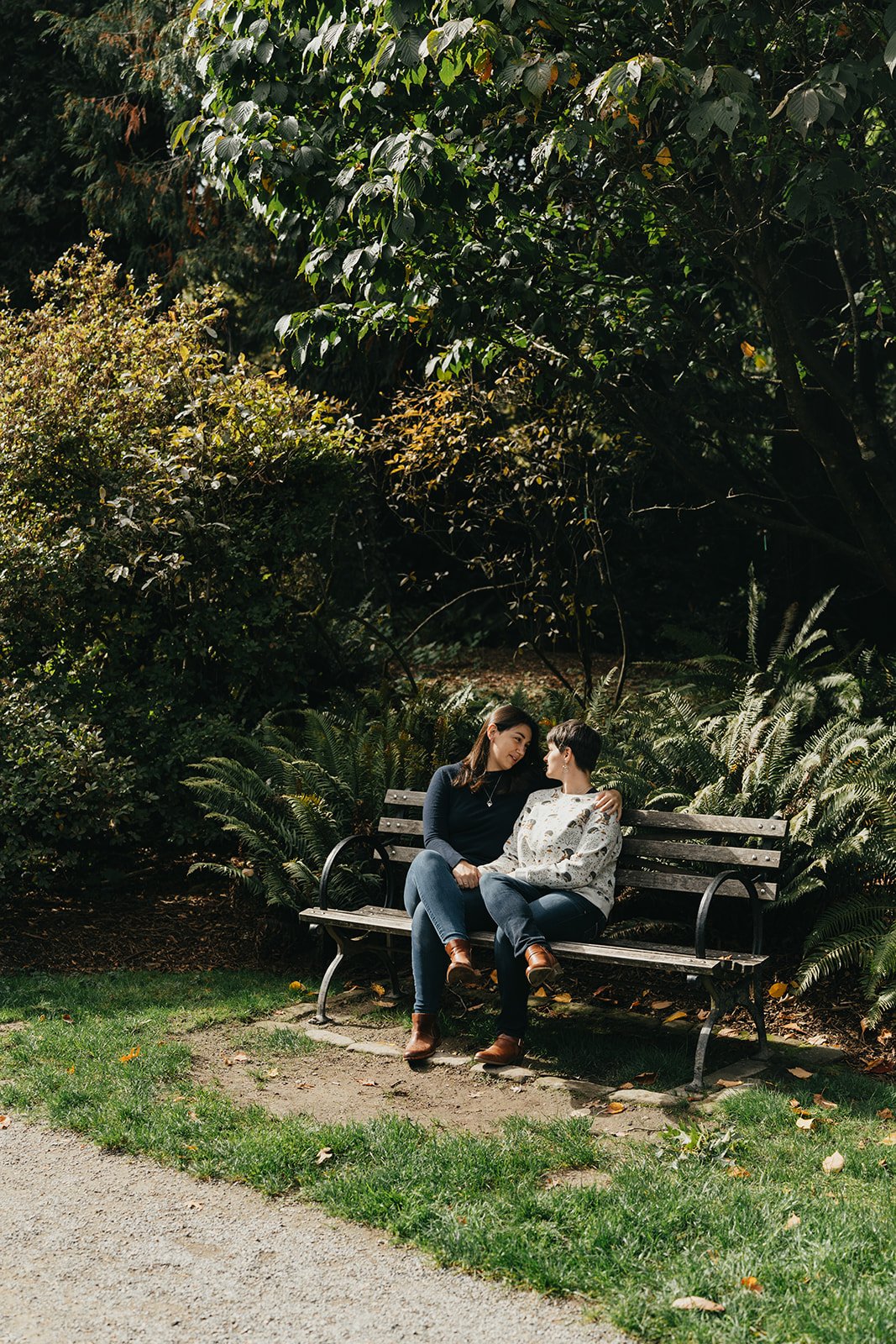
A Guide to Candid Wedding Portraits
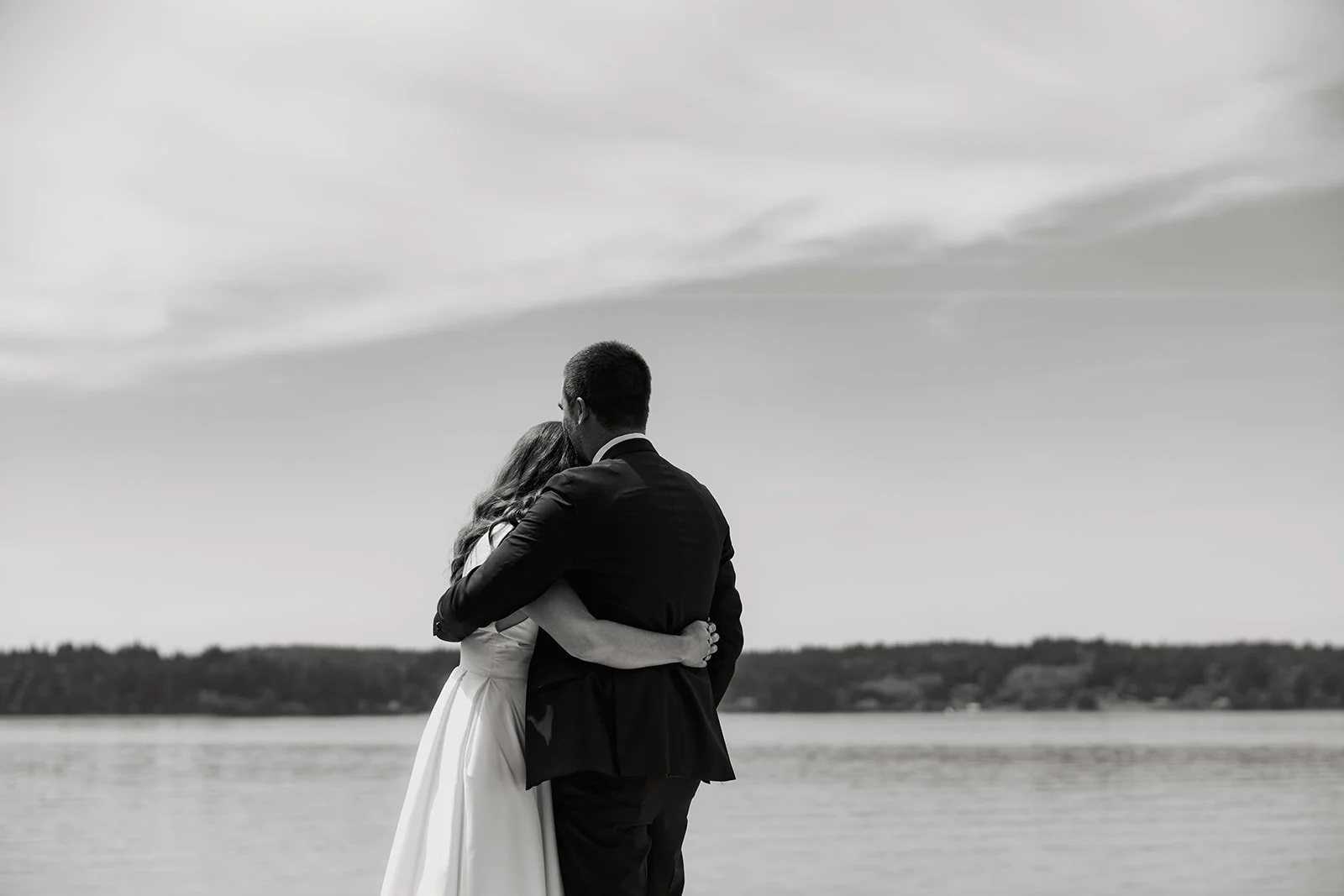
You know the photo you actually want - the one where you’re laughing mid-sentence, your partner is looking at you like you hung the moon, and neither of you appears to be wondering what to do with your hands. That’s the heart of this guide to candid wedding portraits. Not stiff. Not overly choreographed. Just photos that feel like you, on a day that is already full of real emotion.
The funny thing about candid portraits is that they rarely happen by accident. The most natural-looking images usually come from a mix of trust, good timing, gentle direction, and enough breathing room for real moments to show up. If you’re worried that being photographed will feel awkward, you’re in very good company. Most couples are not models, and honestly, they do not need to be.
What candid wedding portraits actually are
Candid wedding portraits live in the sweet spot between documentary and guided. They are not the same as fully posed photos where every finger and chin angle is carefully arranged. They also are not just random snapshots grabbed from across the room. The best ones usually happen when a photographer gives you something easy to do, then steps back enough to let your personalities take over.
That might look like walking together, pulling each other in close, sharing a private joke, fixing a stray hair, or taking one slow breath before the ceremony. The result is a portrait that still looks polished, but feels emotionally honest. You look like yourselves, just with great light and a little support.
A guide to candid wedding portraits starts before the wedding day
If you want wedding photos that feel relaxed, the process starts long before anyone picks up a camera. Comfort is a huge part of the equation. Couples tend to look the most natural when they trust the person photographing them and know they will not be left standing in a field hearing, “Okay, now be candid.”
A good photographer will usually help set the tone early by learning how you interact. Are you playful and chatty? Quiet and affectionate? A little shy at first but goofy once you warm up? That matters more than memorizing poses, because your photos should match your actual energy.
Engagement sessions can help here, especially if the idea of portraits makes you nervous. They give you a chance to see how little movements, prompts, and conversation can turn into photos that feel easy instead of forced. By the time the wedding rolls around, the camera feels a lot less like a third wheel.
Why some candid portraits feel effortless and others feel staged
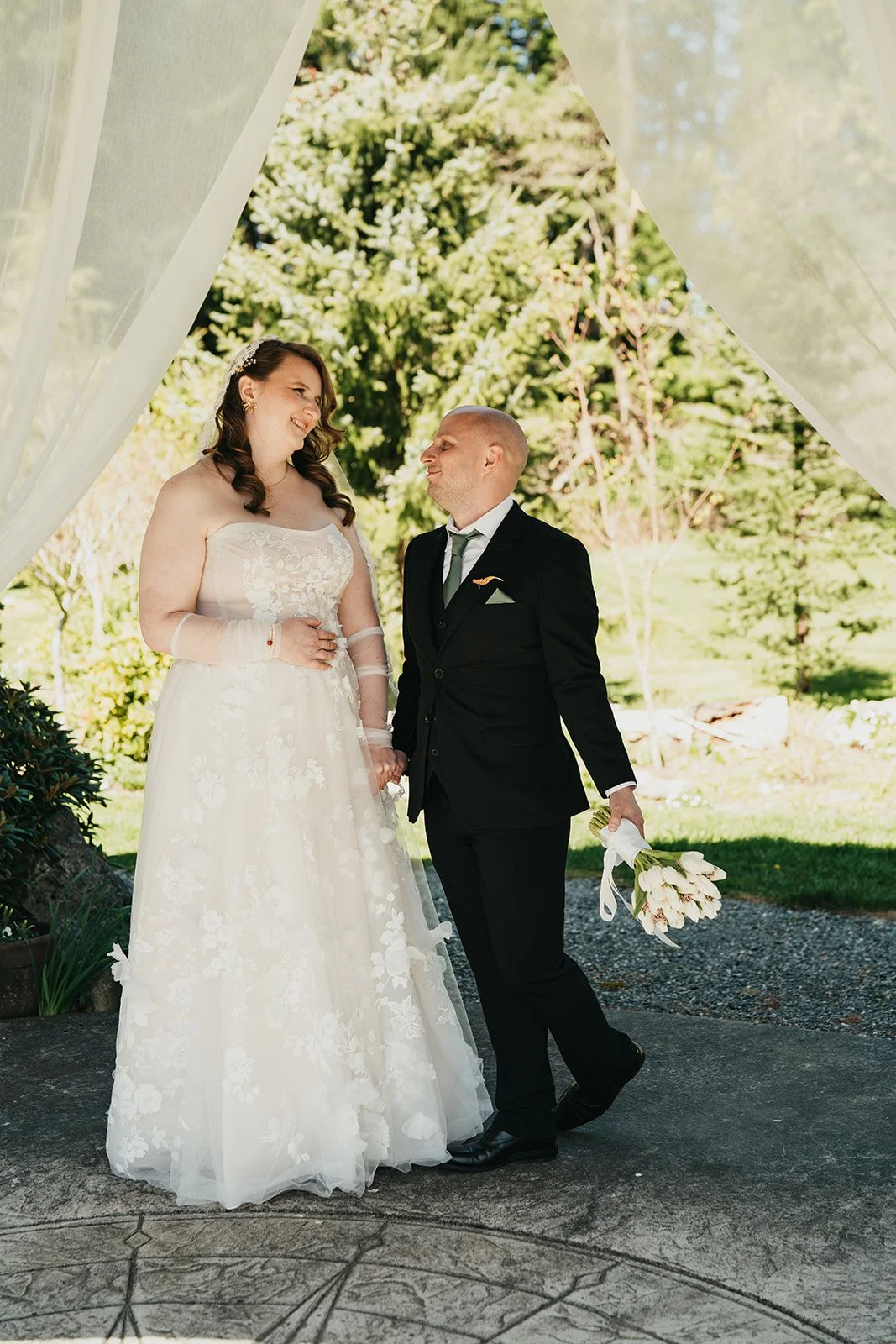
Usually, it comes down to pressure. When couples feel rushed, heavily observed, or unsure of what is expected, they tend to tighten up. When they have a little space to move, connect, and pay attention to each other instead of the lens, everything softens.
That doesn’t mean zero direction is best. In fact, too little guidance can create its own kind of awkwardness. Most people need a starting point. The trick is to keep that direction simple and natural. Instead of “pose like this,” think “walk toward each other and talk about where you’re getting tacos after the wedding” or “hold each other for a second and forget I’m here.”
There’s a real trade-off here. If every moment is planned down to the second, your portraits may look polished but lose some spontaneity. If there is no structure at all, you may end up feeling ungrounded and distracted. The sweet spot is a timeline with enough room for portraits to breathe.
The best conditions for candid portraits
Light matters, but not in a scary, technical way. Soft, flattering light simply gives candid moments a gentler look. That’s one reason many photographers love taking couples portraits around sunset or in open shade. It allows you to focus on each other instead of squinting into the sun and trying not to melt.
Location matters too, though maybe less than people think. A mountaintop at golden hour is lovely, sure, but a quiet corner of your venue can be just as meaningful if you feel comfortable there. The emotional connection in the frame is what people come back to. Beautiful scenery helps, but it does not replace real chemistry.
Privacy can make a big difference as well. Some couples are fully themselves in front of a crowd. Others need a few minutes away from fifty beloved relatives and one very enthusiastic bridesmaid. Neither is wrong. If you know you’re more likely to relax in a quieter setting, build that into the day.
How to look natural without pretending the camera isn’t there
Here’s the reassuring truth: you do not need to ignore the camera to get candid-looking photos. You just need something more interesting to focus on than the fact that you’re being photographed.
That can be as simple as moving together instead of standing still. Walk slowly. Hold hands. Lean in. Whisper something ridiculous. Fix each other’s outfit. Sway if there’s music nearby. The point is not to perform spontaneity. The point is to give your bodies and expressions something real to do.
It also helps to let go of the idea that you should look perfect every second. Some of the best images happen in the in-between moments - the laugh after the kiss, the hair blown across your face, the teary smile you didn’t realize was happening. If you’re constantly checking whether you look polished, you’ll miss the feeling that makes the photo worth keeping.
Planning choices that make candid portraits easier
A calm timeline is one of the greatest gifts you can give yourselves. If portraits are squeezed into ten frantic minutes between family formals and the grand entrance, it’s harder to settle in. Even adding a little buffer can change the whole experience.
The first look can help, if that fits your day. For some couples, seeing each other beforehand creates a private, emotional moment and takes the pressure off portraits later. For others, waiting until the ceremony feels more meaningful. It depends on your personalities, your schedule, and what kind of emotional rhythm you want the day to have.
Outfit comfort matters more than people expect. If you’re tugging at a strap, breaking in shoes, or feeling unlike yourself, that tension tends to show up. The goal is not perfection. The goal is feeling enough like yourself that you can stay present.
Weather is another one of those it depends situations, especially around Seattle. Rain is not automatically a problem. Wind, mist, cloudy skies - all of that can make portraits feel moody, romantic, and very Pacific Northwest. What helps most is working with someone who has a backup plan and knows how to keep the energy light when the forecast gets dramatic.
What your photographer is really doing in those moments
When candid portraits are working, your photographer is making about a hundred tiny decisions that you may never notice. They’re watching light shift across your faces, adjusting where you stand, noticing when one of you relaxes, and recognizing the split-second moment before a laugh lands.
They’re also reading your energy. Some couples need more prompts to keep moving. Some need fewer words and more space. Some are instantly affectionate. Some warm up slowly and need reassurance first. A strong photographer knows how to adapt instead of forcing everyone into the same formula.
That’s a big part of why Jamie Buckley Photography centers so much of the experience on comfort and connection. Candid images are not about throwing you in front of a camera and hoping magic happens. They come from creating an environment where you can actually be yourselves.
What to remember when you’re in the middle of it
If you start feeling awkward during portraits, that does not mean the photos are failing. It usually just means you’re human. Give yourselves a minute. Take a breath. Lean into each other. Talk. Move. Let the moment become about your partner again, not about whether your smile looks weird.
And if a portrait feels a little silly while it’s happening, that’s often completely normal. Some prompts sound goofy out loud and photograph beautifully because they get you out of your head. Trust the process a little. Not blindly, but enough to stay open.
The photos you treasure most probably will not be the ones where everything looked the most formal. They’ll be the ones where you can feel something when you look back at them. The grin you didn’t plan. The way your hands found each other. The split second where the whole day got quiet.
That’s really what candid wedding portraits are for - not to prove your wedding looked beautiful, but to help you remember how deeply you were in it.