
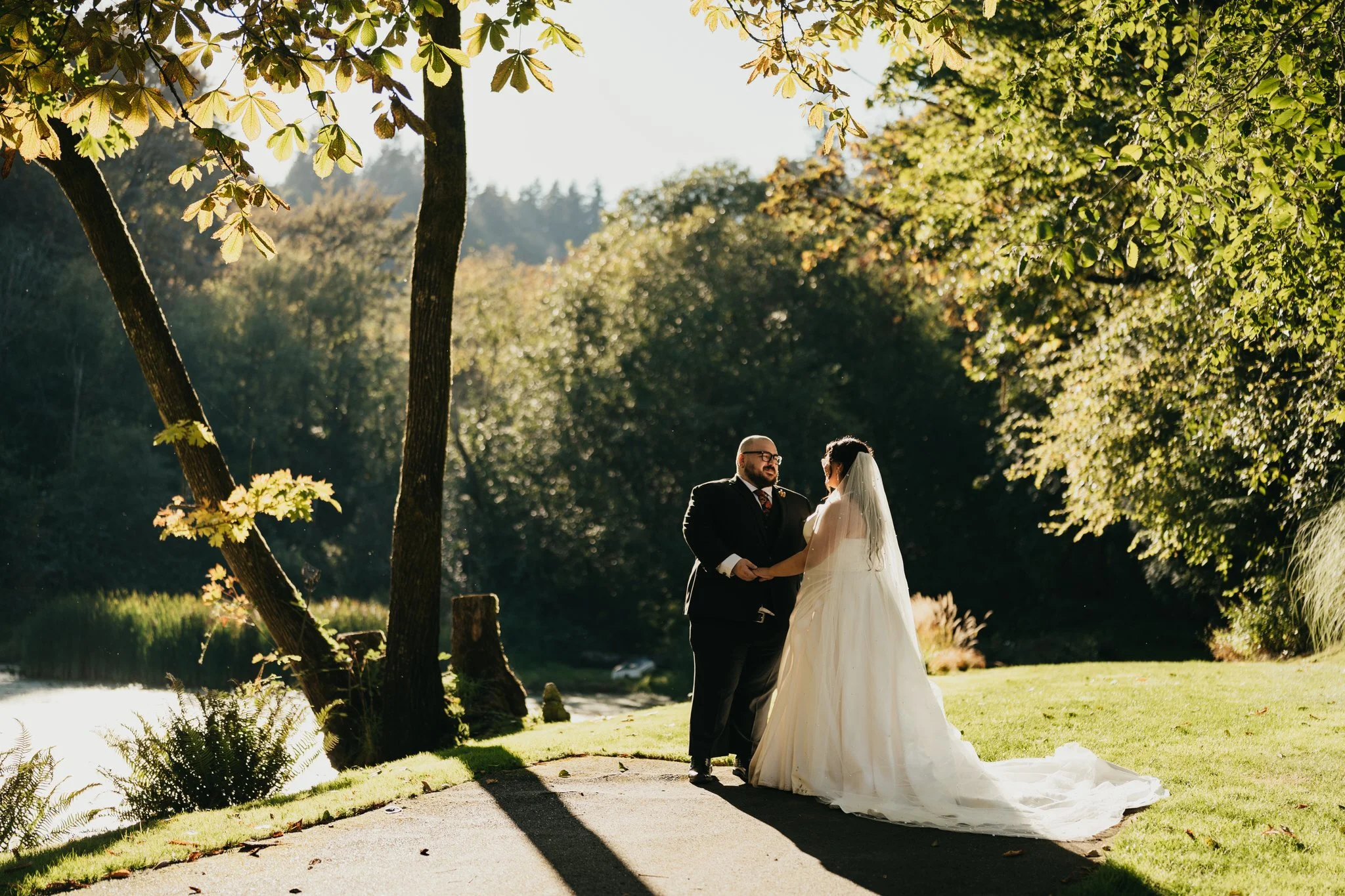
Your wedding day is not a standard shift with a tidy start and finish. Maybe you are exchanging vows at City Hall before a dinner party, planning a full Saturday with 150 favorite humans, or sneaking away for sunset portraits on the coast. So, is wedding coverage customizable? Absolutely - and it should be shaped around the way your day actually feels, not forced into a one-size-fits-all box.
The best coverage plan is not necessarily the longest one. It is the one that gives your story room to breathe. That means enough time for the teary hugs, the wildly enthusiastic dance floor, the quiet hand squeeze before the ceremony, and the little moments you may not even notice until you see your gallery.
What customizable wedding coverage can look like
Customizing coverage usually begins with hours, but it does not end there. Your photo needs are tied to your timeline, guest count, locations, traditions, and priorities as a couple. A cozy restaurant wedding with one location has very different needs than a wedding that starts with getting ready in Seattle, includes a ceremony across town, and ends with a packed reception somewhere under twinkle lights.
Some couples want photography to begin with the finishing touches: buttoning a dress, tying a tie, a best friend opening a letter, someone realizing they forgot the rings and then immediately finding them in a pocket. Others care less about getting-ready photos and would rather put those hours toward the reception, when their people are fully in their element.
Customization can also mean adding a second photographer for a larger guest list or a timeline happening in multiple places. It can mean building in an engagement session so you can get comfortable together before the wedding day. It may include photography alongside videography if hearing your vows and reliving the toasts matters just as much as seeing the happy tears.
The point is not to add every possible extra. The point is to choose what protects the memories you will be most excited to relive.
Start with the moments that matter most to you
Before you ask how many hours you need, talk about what you cannot imagine missing. Not what the internet says you are supposed to want. What makes your own chest feel a little squeeze when you picture it.
Maybe it is your grandmother seeing you dressed and ready. Maybe it is the ceremony itself, with every one of your loved ones losing it in the front row. Maybe the reception is your big priority because your friends have been counting down to this dance floor for a year. Or maybe you are planning an intimate elopement and want unhurried portraits in the landscape that made you choose Washington in the first place.
Those priorities guide the coverage plan better than a generic checklist ever could. A good wedding photographer can help you identify the parts of the day that tend to take longer than expected, too. Family photos, travel between venues, receiving lines, and a sunset that arrives earlier than anyone anticipated can all change the rhythm of a timeline.
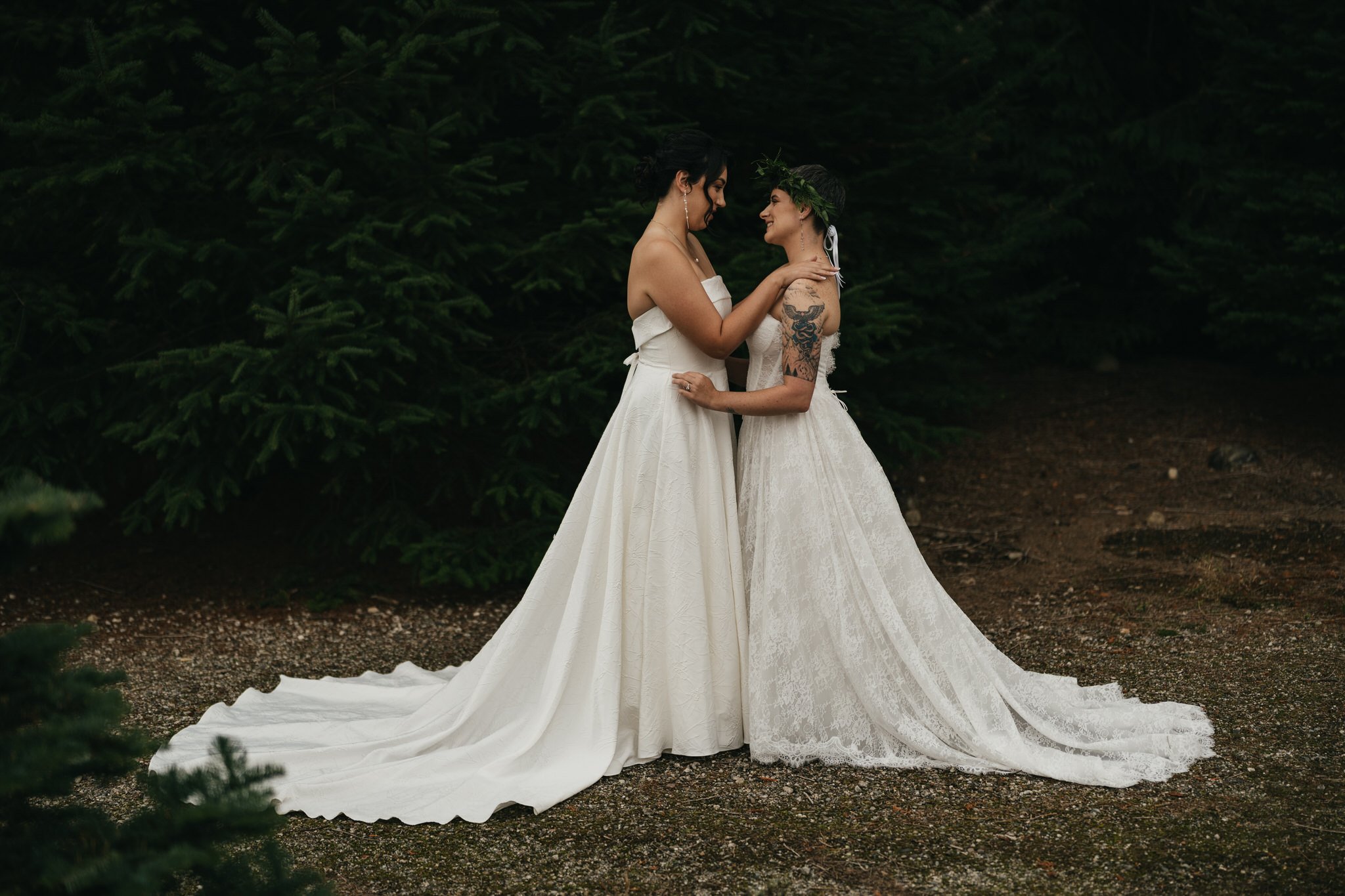
A few questions worth asking yourselves
Think through where you will be getting ready, whether you want a first look, how many ceremony and reception locations you have, and how long you want to party. Consider whether cultural traditions, private vows, a tea ceremony, a costume change, or a grand exit are part of the plan.
Then ask a very practical question: if the schedule slips by 20 minutes, which photos would you be sad to lose? That answer often reveals where extra breathing room is more valuable than trying to pack every minute tightly.
How many hours of wedding photography do you need?
There is no magic number, because weddings are wonderfully not identical. Still, a general range can help you start the conversation.
For a small elopement or micro wedding, a few focused hours may be plenty. You might want coverage for the ceremony, portraits, a short stretch of celebration, and the people who traveled to be there. If you are keeping things simple, shorter coverage can feel relaxed and intentional rather than rushed.
For many traditional weddings, six to eight hours gives room for key parts of the day: getting ready or a first look, the ceremony, family photos, couple portraits, and a meaningful slice of the reception. If you want a full getting-ready story, a later grand exit, several locations, or lots of reception candids, a longer collection may make more sense.
Guest count matters, but not in the way people sometimes assume. A 200-person wedding does not automatically require all-day photography. However, larger celebrations often involve more family combinations, more hugs, more moving parts, and more moments happening at once. A second photographer can be especially helpful when you want both partners’ preparations documented, want broad guest coverage, or do not want to choose between cocktail-hour candids and portraits.
Is wedding coverage customizable when you have a budget?
Yes, and this is where an honest conversation is especially useful. A custom plan should not pressure you into spending beyond what feels comfortable. It should help you put your investment where it will mean the most.
If your budget is limited, prioritize the pieces of the day that are truly unrepeatable. Ceremony coverage is usually a clear yes. Family portraits and couple portraits are often high on the list, too. From there, decide whether you would rather capture getting ready, cocktail hour, dinner toasts, or dancing. There is no wrong answer, only the version that best reflects your celebration.
You can also simplify the timeline instead of automatically adding hours. Getting ready at the venue can cut travel time. Doing family portraits immediately after a first look may leave more room to enjoy cocktail hour. Holding your ceremony a little earlier can make sunset portraits possible without disappearing from your party for ages.
A good photographer will explain the trade-offs clearly. Shorter coverage may mean fewer reception images or less time for slow, candid moments to unfold. Longer coverage gives more story and flexibility, but it is not necessary for every wedding. Clarity is kinder than a package full of things you do not need.
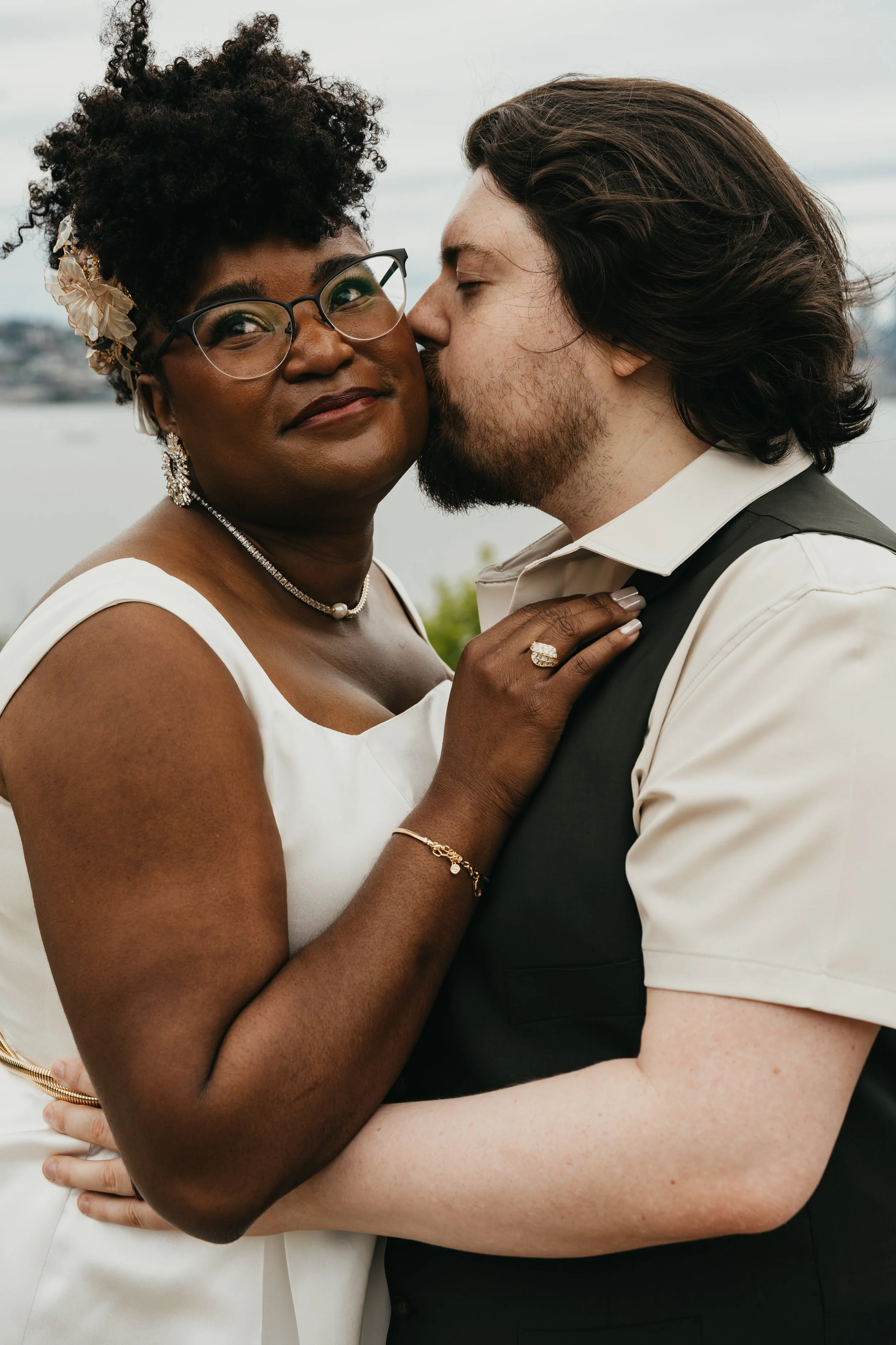
Customization is about experience, not just add-ons
Coverage is more than a number on a proposal. It affects how your wedding day feels.
A timeline with enough margin lets you finish getting ready without frantic glances at the clock. It gives your family a moment to hug after formal photos instead of being hurried away. It lets you step outside for ten quiet minutes at sunset, breathe together, and remember that this enormous, beautiful day is about the two of you.
It also leaves room for the wonderfully unscripted stuff: your nephew’s dramatic ring-bearer entrance, your dad crying before he can get through his toast, your friends singing every word of a song with zero regard for pitch. These are the images that tend to become favorites because they feel like your people, not a performance.
My goal is never to turn your wedding into a photoshoot with a brief interruption for getting married. Gentle direction helps portraits feel natural, while the rest of the day has space for real connection, real joy, and the occasional joyful chaos.
How to talk with your photographer about custom coverage
Bring your photographer the real version of your plans, even if they are still a little messy. Share your venue details, your approximate guest count, your must-have moments, and anything that makes your day different from a typical wedding. Mention if you are camera-shy, if one of you has a large family, or if dancing for three straight hours is nonnegotiable.
It helps to be open about your budget, too. A photographer cannot make thoughtful recommendations without knowing the boundaries they are working within. The right conversation is collaborative: you bring the heart of the day, and they bring the experience of knowing how timelines, light, logistics, and human beings tend to behave at weddings.
Ask what they recommend and why. Ask what may be missed with fewer hours. Ask whether a second photographer would genuinely help or simply be nice to have. You deserve straightforward answers, not a sales pitch wrapped in confusing package language.
Your wedding coverage should feel like a good fit for your actual life, your actual people, and the kind of celebration that makes you both grin. Build around the moments you want to hold onto, leave a little room for surprises, and let yourselves be fully present for the party you worked so hard to create.