
Elopement Versus Traditional Wedding Photography
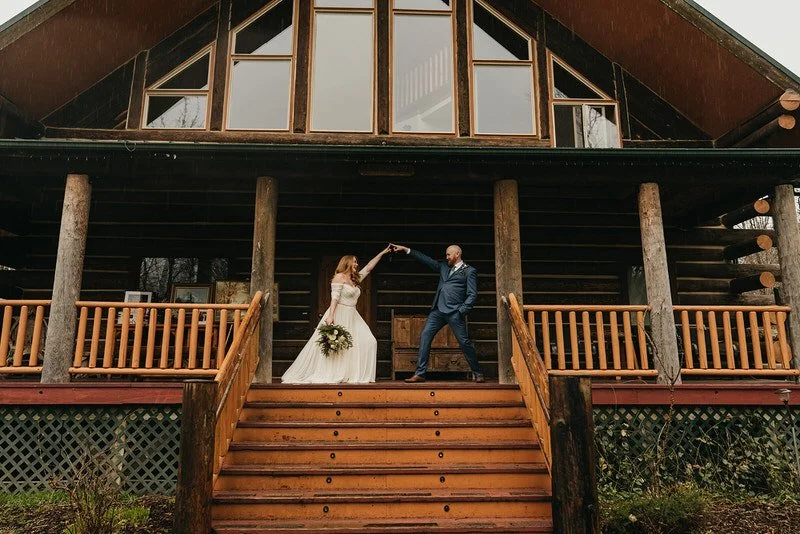
Some wedding days feel like a mountaintop vow exchange at sunrise, with wind in your hair and maybe a little dirt on the hem of your dress. Others feel like a packed dance floor, teary hugs from grandparents, and your best friends losing their minds during the reception. When couples start comparing elopement versus traditional wedding photography, they’re usually not just choosing a photo style. They’re choosing the kind of experience they want to remember.
That distinction matters more than most people expect. The photography itself is never only about how the images look. It’s about how the day moves, what moments happen naturally, and how much space there is for intimacy, celebration, spontaneity, or all three.
What changes in elopement versus traditional wedding photography?
At the heart of it, the biggest difference is scale. Elopements are usually smaller, quieter, and more flexible. Traditional weddings tend to have more people, more moving parts, and more scheduled events. That changes the photographer’s job in a very real way.
With an elopement, photography often feels more immersive. There’s time to follow the day as it unfolds instead of racing from one formal event to the next. Maybe you get ready together in a cozy cabin, read private vows on a cliffside, and stop for coffee after the ceremony because that sounds like you. The camera gets to stay close to the emotional center of the day.
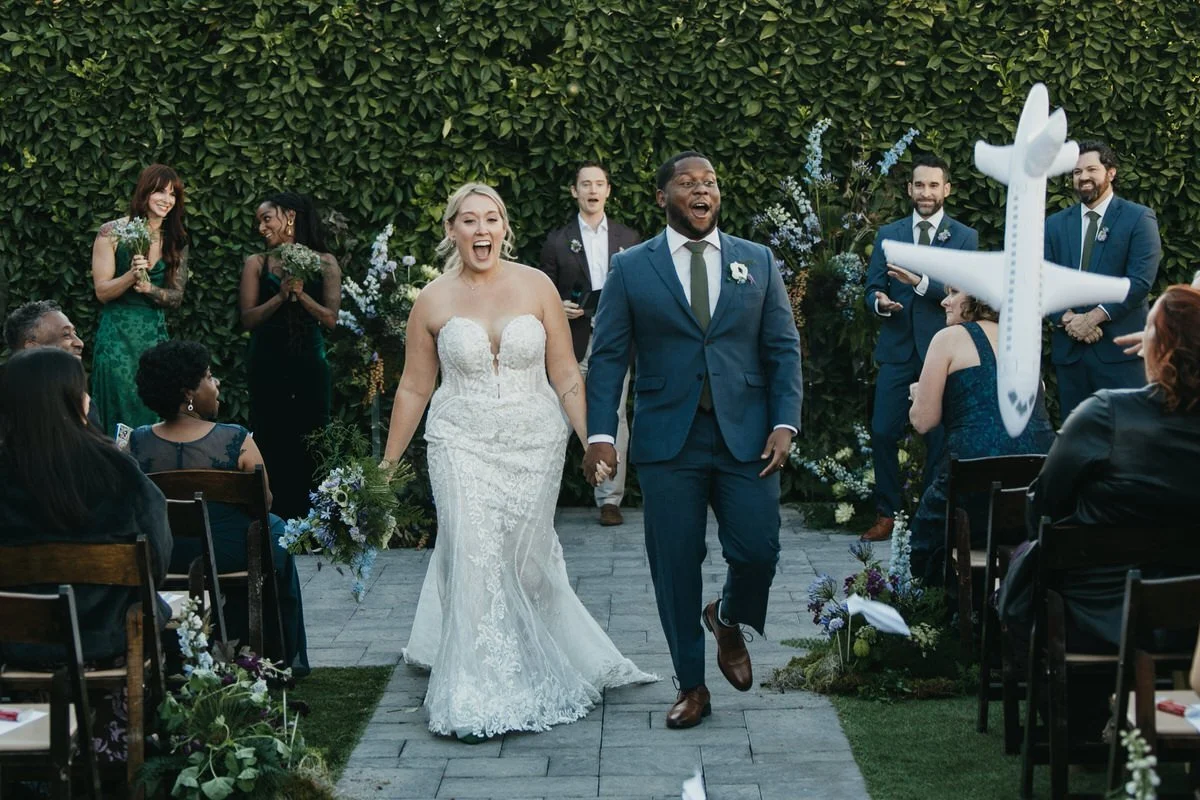
With a traditional wedding, the coverage has a broader responsibility. The story includes not only the two of you, but also your families, your friends, and the full atmosphere of the celebration. The photographer is documenting layers at once - the ceremony, the reactions, the reception details, the giant hug from your aunt, the champagne spray your friends absolutely planned.
Neither one is better. They simply ask for different kinds of storytelling.
Elopement photography is built around intimacy
Elopements often create room for slower, more personal images. Not because they are automatically more romantic than a big wedding, but because there are fewer interruptions. Fewer timelines. Fewer eyes on you every second.
That usually means more candid moments. You can take your time getting dressed. You can walk to your ceremony location without ten people asking where the boutonnières are. You can actually hear each other during your vows. For couples who feel most like themselves in quiet, connected spaces, that can be magic.
Photography in elopements also tends to include more environment. If you’re getting married in the mountains, on a beach, in a forest, or at city hall before wandering downtown together, the setting becomes part of the emotional story. The images often feel cinematic, but in a real-life way, not a stiff editorial way.
That said, elopements are not automatically stress-free. Travel logistics, weather, permits, hiking time, and light all matter. If you’re picturing a private outdoor ceremony in Washington, the beauty is incredible, but so is the unpredictability. The right photography coverage for an elopement isn’t just about pretty portraits. It’s about planning around the actual experience of the day.
Who usually loves elopement coverage most?
Couples who want less performance and more presence often lean toward elopements. If being the center of attention makes your skin crawl, or if your favorite part of wedding planning has been imagining the two of you away from the noise for a minute, that’s worth paying attention to.
Elopement photography can also be a great fit if your priorities are location, privacy, adventure, or flexibility. You may care less about documenting a hundred guest interactions and more about preserving how it felt to hold hands on a cliff at golden hour and say, yep, this is exactly us.
Traditional wedding photography captures the full community around you
Traditional weddings carry a different kind of emotional weight. They’re often less quiet, but they can be deeply intimate in another way. Instead of focusing almost entirely on the couple’s private experience, they tell the story of a whole group of people showing up for your love.
That means the photography has more range. One minute it’s your partner trying not to cry during the ceremony. The next it’s your dad practicing his speech in the corner. Then it’s your college roommates screaming when your song comes on. A big wedding holds dozens of tiny stories, and great photography knows how to catch them without losing the heartbeat of the day.
There’s also more formal structure. Family portraits matter more. Timelines matter more. Coordinating with planners, DJs, videographers, and venues matters more. For some couples, that sounds exhausting. For others, it’s exactly the dream. They want the gathering, the traditions, the dinner, the first dance, the joyful chaos. They want to remember not just how they felt, but how everyone they love felt too.
Traditional wedding photography does require a little more intentional planning if you want it to stay candid and relaxed. Without guidance, larger weddings can start to feel like a checklist. The right photographer helps protect breathing room so the day still feels human, not overproduced.
Who usually loves traditional wedding coverage most?
If your people are a huge part of your story, a traditional wedding may feel right in your bones. Maybe you’ve always pictured getting ready with your closest friends, having your family in the front row, and ending the night under string lights with a packed dance floor. That’s not less meaningful than an elopement. It’s meaningful in a different direction.
Traditional coverage also makes sense if your wedding includes cultural traditions, multiple events, or sentimental family moments you know you’ll want documented forever. The larger the guest list and the more layered the schedule, the more your photography needs to balance portraits, candids, and all the in-between emotion.
The photo style doesn’t have to change - the story does
This is where couples sometimes get tripped up. They assume elopement photos are always moody and adventurous, while traditional wedding photos are always posed and formal. Not true.
A candid, heartfelt photographer can approach both kinds of days with the same emotional style. The difference isn’t whether your images feel authentic. The difference is what authenticity looks like in your setting.
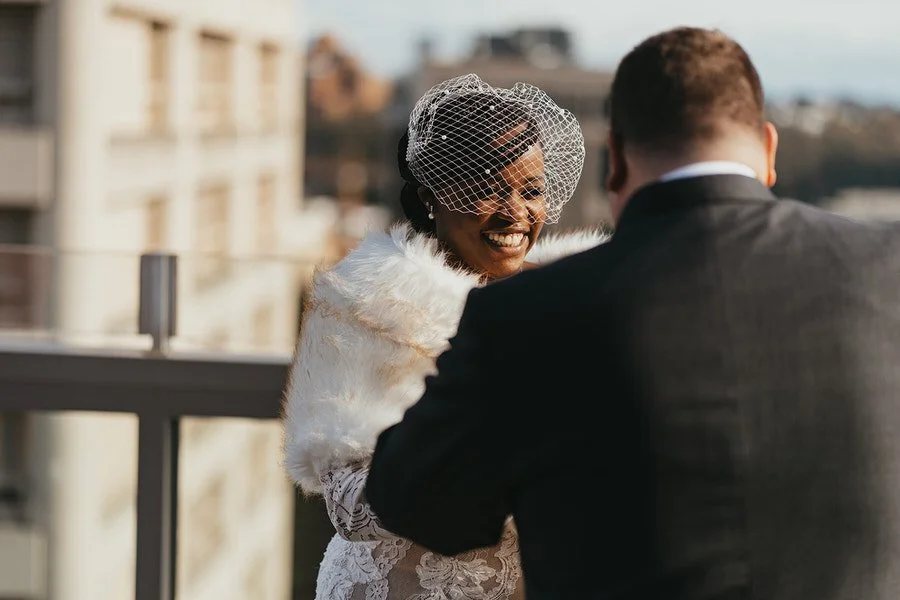
At an elopement, authenticity might look like windblown hair, muddy boots, and tears during private vows. At a traditional wedding, authenticity might look like your flower girl stealing the show, your mom fixing your veil with shaky hands, and your friends bear-hugging you after the ceremony. Same heart. Different rhythm.
That’s why choosing between elopement versus traditional wedding photography should start with the experience you want, not with Pinterest labels.
How to decide what fits you best
A good question is not, Which one photographs better? Both can be stunning. A better question is, When do we feel most like ourselves?
If your answer sounds like, alone together, outdoors, unhurried, and a little adventurous, an elopement may be the better fit. If it sounds like, surrounded by our people, celebrating hard, crying during speeches, and dancing all night, a traditional wedding probably makes more sense.
There’s also a middle ground, and honestly, a lot of couples land there. You can have a small wedding with some traditional elements. You can elope privately and celebrate later with family. You can keep your guest count low while still having a beautiful dinner and intentional portraits. It doesn’t have to be one extreme or the other.
The most helpful choice is usually the one that matches your real personality, not the version of weddings social media rewards most loudly.
A note on comfort in front of the camera
This matters for both options. Most couples are not out here living model lives, and thank goodness. You do not need to know what to do with your hands. You do not need to suddenly become ultra polished because a camera is present.
In elopements, comfort often comes from privacy and space to settle in. In traditional weddings, comfort often comes from calm guidance in the middle of a fast-moving day. Both experiences benefit from a photographer who can gently direct when needed and step back when the moment deserves room to breathe.
That balance is especially important if you love candid photos but still want some help looking your best. Natural does not mean unsupported.
For couples in Seattle and around Washington, that usually means thinking beyond the aesthetics and asking how you want your day to feel in your body. Cozy. Expansive. Joyfully chaotic. Quietly emotional. Jamie Buckley Photography approaches both weddings and elopements with that same goal - creating images that feel honest, connected, and deeply like you.
The right choice is the one that lets you be fully present in your own story. If your wedding day feels true while you’re living it, the photos tend to follow beautifully.